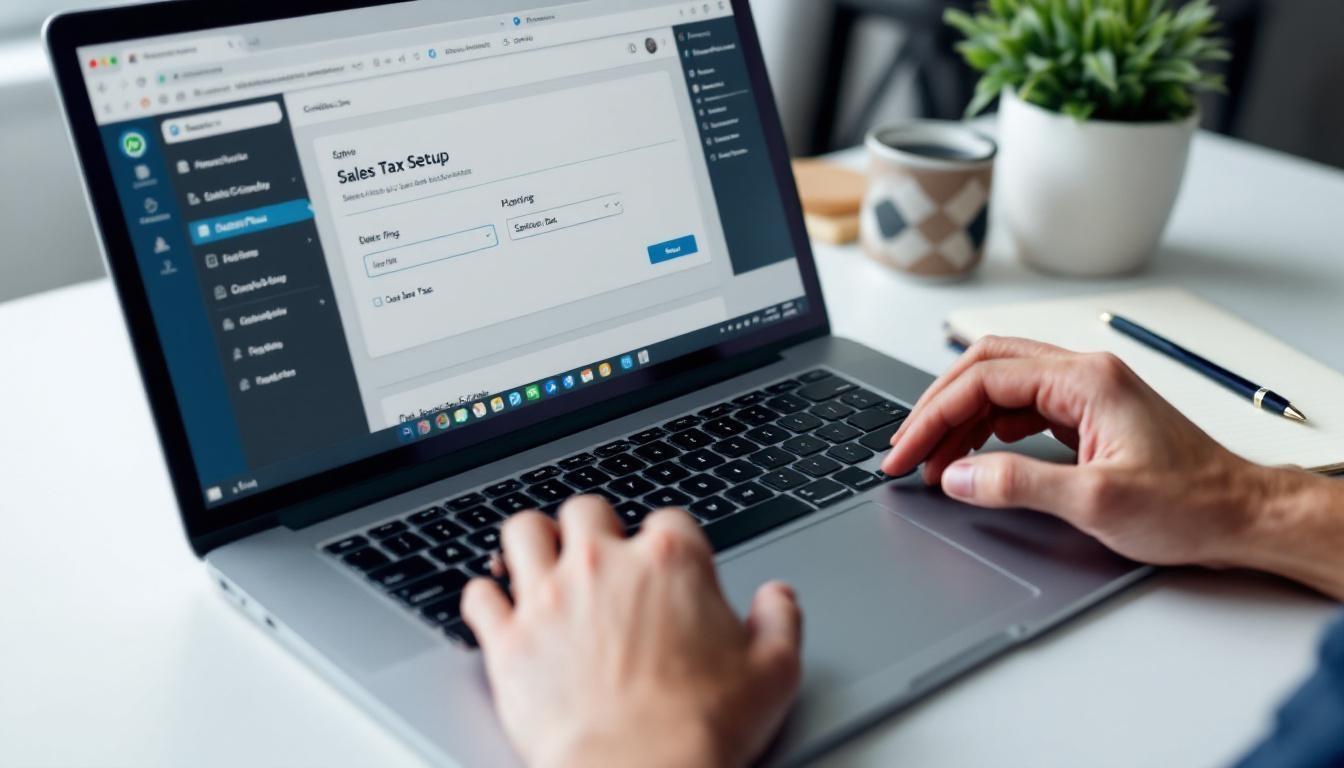
The remote work revolution has opened countless opportunities for skilled professionals seeking flexible careers. Online bookkeeping work has become one of the most sought-after remote positions, offering excellent earning potential and work-life balance.
However, the digital landscape is filled with both legitimate opportunities and sophisticated scams targeting job seekers. We at Optimum Results Business Solutions will guide you through proven strategies to identify genuine employers and build a successful remote bookkeeping career.
Where to Find Legitimate Online Bookkeeping Jobs
The most effective approach starts with established job boards that have built-in verification systems. LinkedIn leads the pack for professional opportunities, with over 12 million freelancers actively using the platform across all categories (including bookkeeping). The platform’s professional network structure naturally filters out many fraudulent posts. Upwork follows closely and offers a robust freelancer marketplace where you can showcase your skills and connect directly with verified business owners who seek bookkeeping services. Fiverr provides another legitimate avenue, though it operates on a different pricing model that starts as low as $5 per service.
Direct Company Applications Deliver Better Results
Skip the middleman approach and target companies directly through their websites. Many businesses prefer this method because it shows initiative and reduces recruitment costs. Focus on small service-based businesses and tech startups, as these companies frequently outsource their bookkeeping needs. Search for companies that specifically mention remote bookkeeping services or virtual financial management. Facebook business groups have become surprisingly effective for connections with business owners who need bookkeeping help. These groups often feature referral-based hiring (which business owners prefer over anonymous applications).
Professional Networks Generate Higher-Quality Opportunities
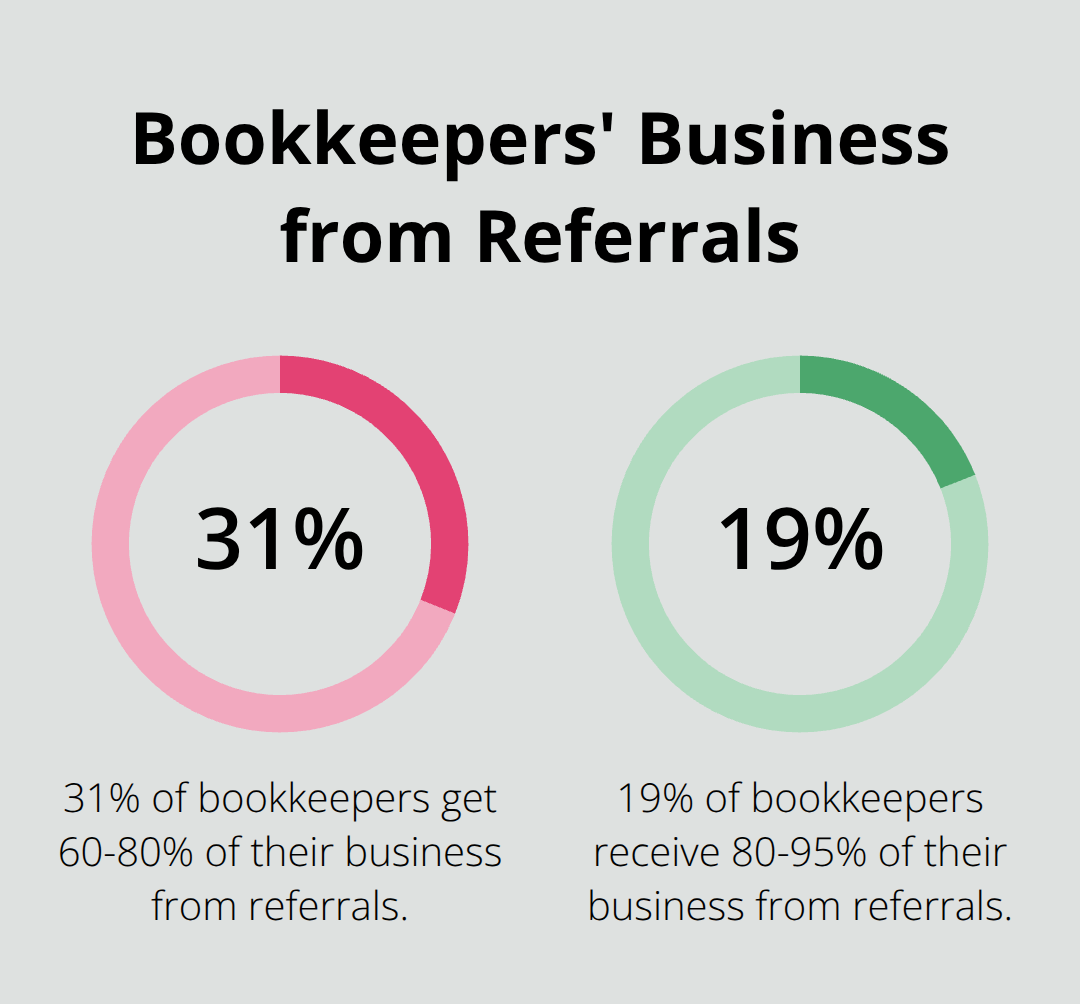
The National Association of Public Bookkeepers and similar professional organizations maintain job boards exclusively for certified members. These positions typically offer better compensation and more stable work relationships. Industry-specific forums and webinars also present networking opportunities that often lead to direct job offers. Business referrals remain the gold standard for quality bookkeeping work, with many experienced bookkeepers who report that 31% get 60-80% of their business from referrals, while an impressive 19% receive 80-95% of their business through this channel.
Specialized Platforms Focus on Financial Services
Several platforms cater specifically to accounting and bookkeeping professionals. These specialized sites often feature higher-quality opportunities because they attract serious employers who understand the value of professional financial services. The verification process on these platforms tends to be more rigorous than general job boards. Many of these specialized platforms also offer additional resources like certification programs and professional development opportunities that can enhance your marketability.
Once you identify potential opportunities, the next step involves careful evaluation to separate legitimate offers from sophisticated scams that target job seekers.
How to Identify Legitimate Opportunities and Avoid Scams
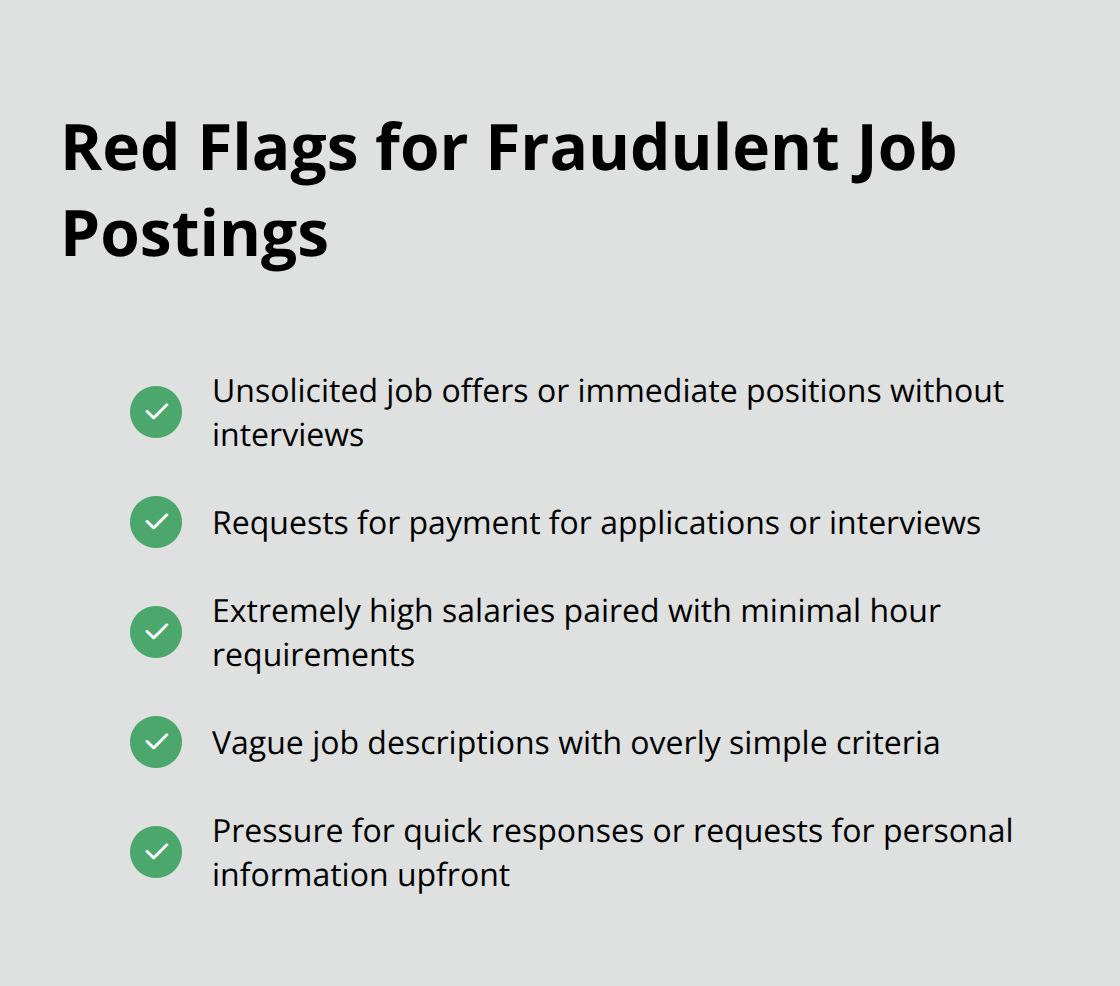
Fraudulent job postings follow predictable patterns that you can spot within seconds. Job offers that arrive without solicitation or promise immediate positions without interviews raise major red flags. Legitimate employers never request payment for applications or interviews. Payment requests represent common scam tactics that target remote workers, with recent data showing sharp spikes in online job scams requiring task repetition. Extremely high salaries paired with minimal hour requirements or vague job descriptions represent another warning sign. Professional companies provide specific qualifications and detailed role descriptions rather than overly simple criteria (like basic computer skills only).
Research Every Employer Before You Submit Applications
Check companies through the Better Business Bureau and review online ratings before you submit applications. The BBB Seal identifies businesses committed to honesty and integrity. Legitimate businesses maintain professional websites with clear contact information that includes physical addresses and phone numbers. Companies with missing details or communication that contains poor grammar indicate potential fraud. Contact companies directly through their official websites rather than respond to emails or messages from unknown sources. Real employers discuss compensation structures openly and provide realistic salary ranges based on experience levels.
Recognize Communication Red Flags
Companies that pressure for quick responses or request personal information before they make decisions are not reputable. Professional employers conduct structured interview processes rather than offer positions through text messages or informal chat platforms. Unprofessional communication with awkward phrasing or excessive promises of quick wealth signals fraud attempts. Legitimate bookkeepers report that authentic employers take time to evaluate candidates and explain role expectations clearly.
Protect Your Personal Information During Applications
Never share Social Security numbers or bank details during initial applications. Legitimate positions request personal information only after formal job offers. Create a separate email address specifically for job searches to protect your primary accounts. Document all communications and maintain records of companies you contact. Trust your instincts when something feels wrong about an opportunity (your gut reaction often proves accurate).
Once you identify legitimate opportunities and avoid common scams, success depends on demonstrating the specific skills and qualifications that employers value most in remote bookkeepers.
Essential Skills and Qualifications for Online Bookkeeping
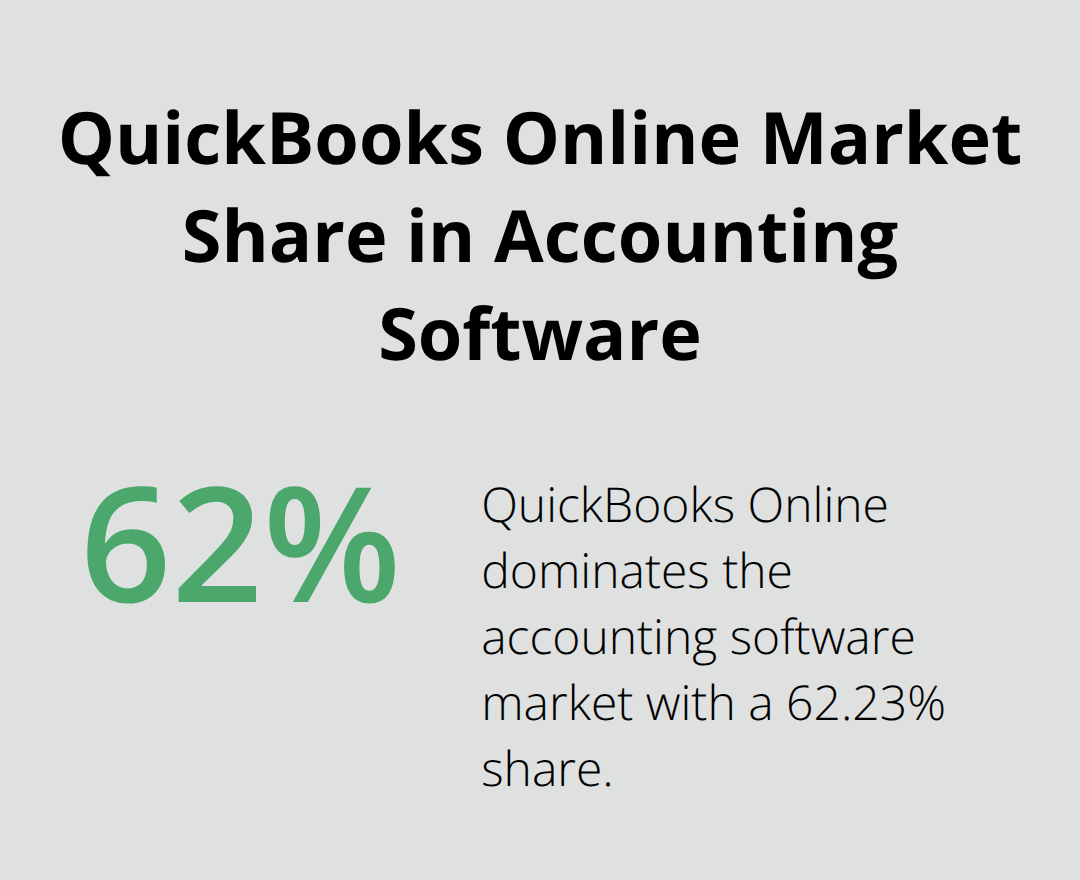
QuickBooks Online dominates the market with a 62.23% market share in accounting software, which makes proficiency in this platform non-negotiable for remote bookkeepers.
Xero follows as the second most requested software, particularly among tech startups and international clients. Master these two platforms first, then expand to specialized software like FreshBooks for service businesses or Wave for freelancers. The AIPB Certification Program allows graduates to put “CB” after their name to show professional status and add market value, with the program costing $1,495 and taking three to four months to complete. The NACPB Bookkeeper Certification covers accounting principles and QuickBooks for $369 to $449 over 13 weeks, while Intuit Academy offers a QuickBooks-focused certificate for $160 that takes two months.
Communication Skills Determine Client Retention
Remote bookkeepers spend 40% of their time in client communication rather than transaction processing. Weekly status emails and monthly financial summaries keep clients engaged and reduce micromanagement requests. Video calls work better than phone calls for complex discussions because screen sharing helps explain financial reports. Response times within four business hours separate professional bookkeepers from amateur ones. Time management becomes critical when you juggle multiple clients across different time zones (especially for international work). Successful remote bookkeepers block specific hours for client communication and separate hours for focused work.
Professional Development Drives Higher Earnings
Certified bookkeepers earn significantly higher rates than non-certified ones, with specialization in tax preparation or payroll services that create premium pricing opportunities. Seasonal expertise around tax season allows freelancers to secure more clients during peak periods. Continuous education through webinars and workshops keeps professionals updated on software changes and regulatory requirements. The ACCA Introduction to Bookkeeping offers free fundamental training with a $99 certificate option that takes six weeks at self-paced learning (perfect for working professionals). These investments in professional development typically pay for themselves within the first few months of higher-paying client work.
Time Management and Organization Systems
Tools like Calendly eliminate scheduling back-and-forth while time-tracking software like Toggl provides accurate billing records. The Universal Accounting School Professional Bookkeeper Program costs $3,091 and includes real-world application with multiple small businesses, which prepares students for actual client management scenarios that remote work demands. Penn Foster provides flexible training at $789 with six-month average completion time for those who need self-paced options.
Final Thoughts
Success in online bookkeeping work requires a strategic approach that combines the right platforms, professional development, and client relationship skills. Start with established job boards like LinkedIn and Upwork while you build your presence on specialized platforms. Professional certifications from AIPB or NACPB separate you from competitors and justify premium rates.
Long-term success depends on mastery of QuickBooks Online and Xero, excellent client communication, and specialized expertise in areas like tax preparation or payroll services. Remote bookkeepers who respond within four business hours and provide regular financial summaries retain clients longer and earn higher rates. These practices create sustainable income streams that grow over time.
Your next steps should include relevant certifications, profiles on multiple legitimate platforms, and a professional online presence. Consider partnerships with established firms like Optimum Results Business Solutions to gain experience while you build your client base (this approach reduces initial risk while you develop your skills). Focus on small service-based businesses and tech startups that frequently outsource their financial management needs.