
Service business bookkeeping presents unique challenges that differ significantly from product-based companies. Without proper financial tracking, service businesses often struggle with cash flow management and tax compliance.
We at Optimum Results Business Solutions see many service entrepreneurs make costly mistakes simply because they lack structured bookkeeping processes. This guide provides practical steps to establish effective financial management systems for your service business.
What Bookkeeping System Should You Set Up?
Your accounting method choice impacts everything from tax obligations to cash flow visibility. Service businesses should adopt accrual accounting despite the initial complexity. Cash accounting only records transactions when money changes hands, which creates dangerous blind spots for service companies with invoice cycles. The IRS requires businesses with average annual gross receipts that exceed $27 million over three years to use accrual accounting, but smart service entrepreneurs switch earlier. Accrual accounting shows outstanding invoices and unpaid bills, which gives you real financial health insights instead of just bank balance snapshots.
Choose QuickBooks Online for Service Operations
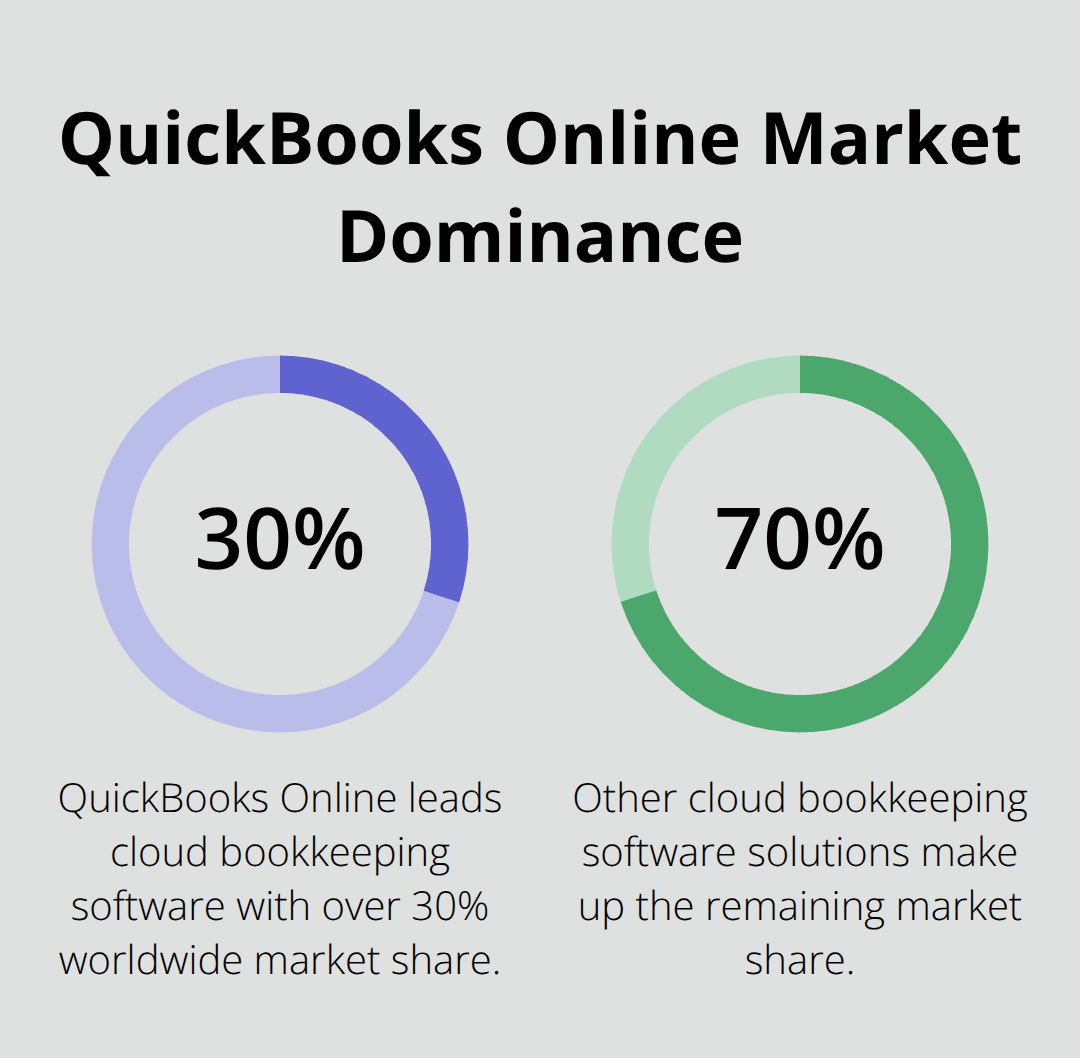
QuickBooks Online leads cloud bookkeeping software with over 30% worldwide market share for good reason. The software handles service-specific needs like time tracking, project profitability, and recurring invoices seamlessly. Xero costs less but lacks robust project management features that service businesses need. FreshBooks targets service companies but struggles with complex reports. QuickBooks Online costs $30 monthly for the Simple Start plan, which handles most small service businesses perfectly. The Plus plan at $85 monthly adds project profitability tracking and inventory management for companies that grow.
Structure Your Chart of Accounts for Service Revenue
Service businesses need specific account categories that product companies ignore. Create separate income accounts for each service type you offer – consulting, implementation, maintenance, and training should have distinct tracking. Add accounts for billable expenses that you pass through to clients (keep them separate from your operating costs). Set up liability accounts for customer deposits and retainers since service businesses often collect payments before work completion. Include accounts for work-in-progress to track partially completed projects accurately.
Track Project Costs and Billable Hours
Most service businesses fail to track project profitability accurately. Set up job costing features in your software to monitor time spent on each client project. Record direct costs like subcontractor fees and materials against specific jobs. This structure reveals which services generate the highest margins and helps price future projects competitively. You’ll spot unprofitable clients quickly and adjust your pricing strategy accordingly.
Now that you have your bookkeeping foundation in place, you need to establish consistent daily and monthly routines to maintain accurate financial records.
How Do You Handle Daily Financial Tasks?
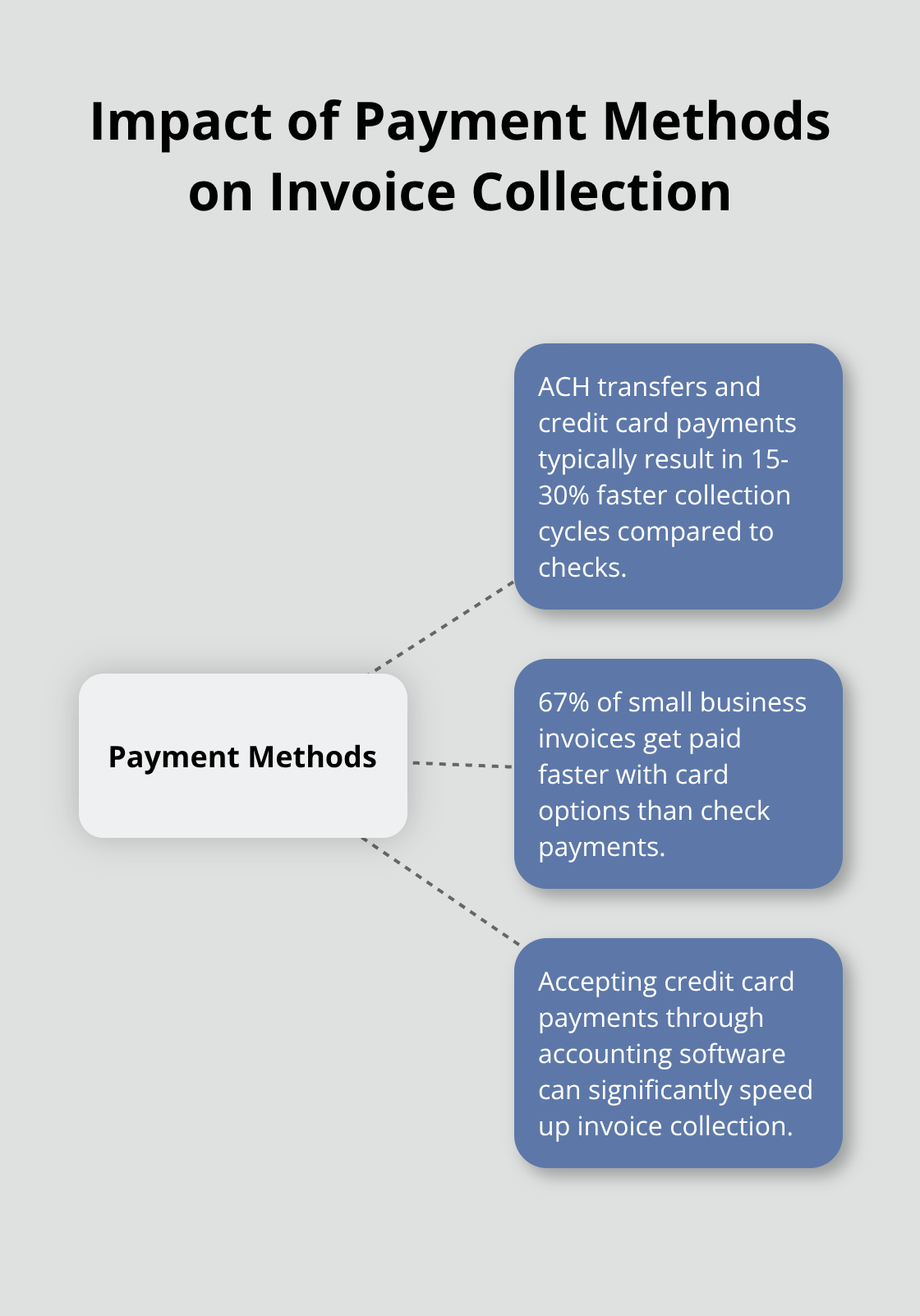
Consistent daily tracking prevents the chaos that destroys service business profitability. Invoice your clients within 24 hours after you complete work or reach project milestones. QuickBooks Online automates this process with recurring invoice templates for retainer clients and milestone-based billing for project work. Companies that prioritize ACH transfers and credit card payments typically see 15-30% faster collection cycles than those relying on checks. Set up automatic payment reminders for 7, 14, and 30 days past due. Accept credit card payments through your accounting software since 67% of small business invoices get paid faster with card options than check payments.
Record Every Expense the Day It Happens
Small service businesses lose an average of $7,000 annually in missed tax deductions because they fail to track expenses properly. Photograph receipts immediately with your phone and upload them to your accounting software. Categorize expenses correctly: office supplies, software subscriptions, professional development, and client entertainment need separate tracking. Travel expenses for client visits qualify as business deductions if you document the business purpose. Home office expenses can reduce your tax burden significantly (the simplified method allows $5 per square foot up to 300 square feet). Separate personal and business credit cards completely to avoid IRS scrutiny during audits.
Monitor Cash Flow Weekly Through Bank Reconciliation
Service businesses experience cash flow swings that product companies never face. Reconcile your bank accounts every Friday to catch errors before they compound. This weekly discipline helps you spot unauthorized charges, duplicate payments, and bank errors quickly. Track accounts receivable reports to identify slow-paying clients before they become collection problems. Maintain a cash flow forecast that shows expected income and expenses for the next 90 days. Service businesses should keep three months of operating expenses in reserve since client payments often arrive unpredictably (this buffer protects against seasonal fluctuations).
Even with perfect daily routines, service business owners make predictable mistakes that can cost thousands in penalties and missed opportunities.
What Bookkeeping Mistakes Cost Service Businesses the Most?
Service business owners who mix personal and business expenses face higher audit scrutiny from the IRS. The IRS flags Schedule C filers with personal expenses mixed into business accounts as high-risk audit targets. Personal purchases on business credit cards trigger automatic red flags in their computer systems.
Separate Personal and Business Finances Completely
Open a dedicated business checking account and business credit card immediately, even if your service business operates as a sole proprietorship. Use separate accounts for all transactions without exceptions. Personal meals, family travel, and household purchases must never touch business accounts. The IRS disallows entire expense categories when they find personal items mixed in, which costs service businesses thousands in lost deductions annually.
Track Every Billable Hour for Maximum Revenue
Service businesses that fail to track billable hours lose significant potential revenue according to professional services research. Most service entrepreneurs underestimate project time because they rely on memory instead of time tracking software. Install time tracking apps like Toggl or use QuickBooks Time integration to capture every minute spent on client work.
Track non-billable administrative tasks separately to understand your true profit margins. Service businesses should bill a high percentage of total hours worked to remain profitable after accounting for sales, administration, and business development time. Projects without accurate time tracking consistently run over budget and destroy profitability.
Reserve 30% of Revenue for Tax Obligations
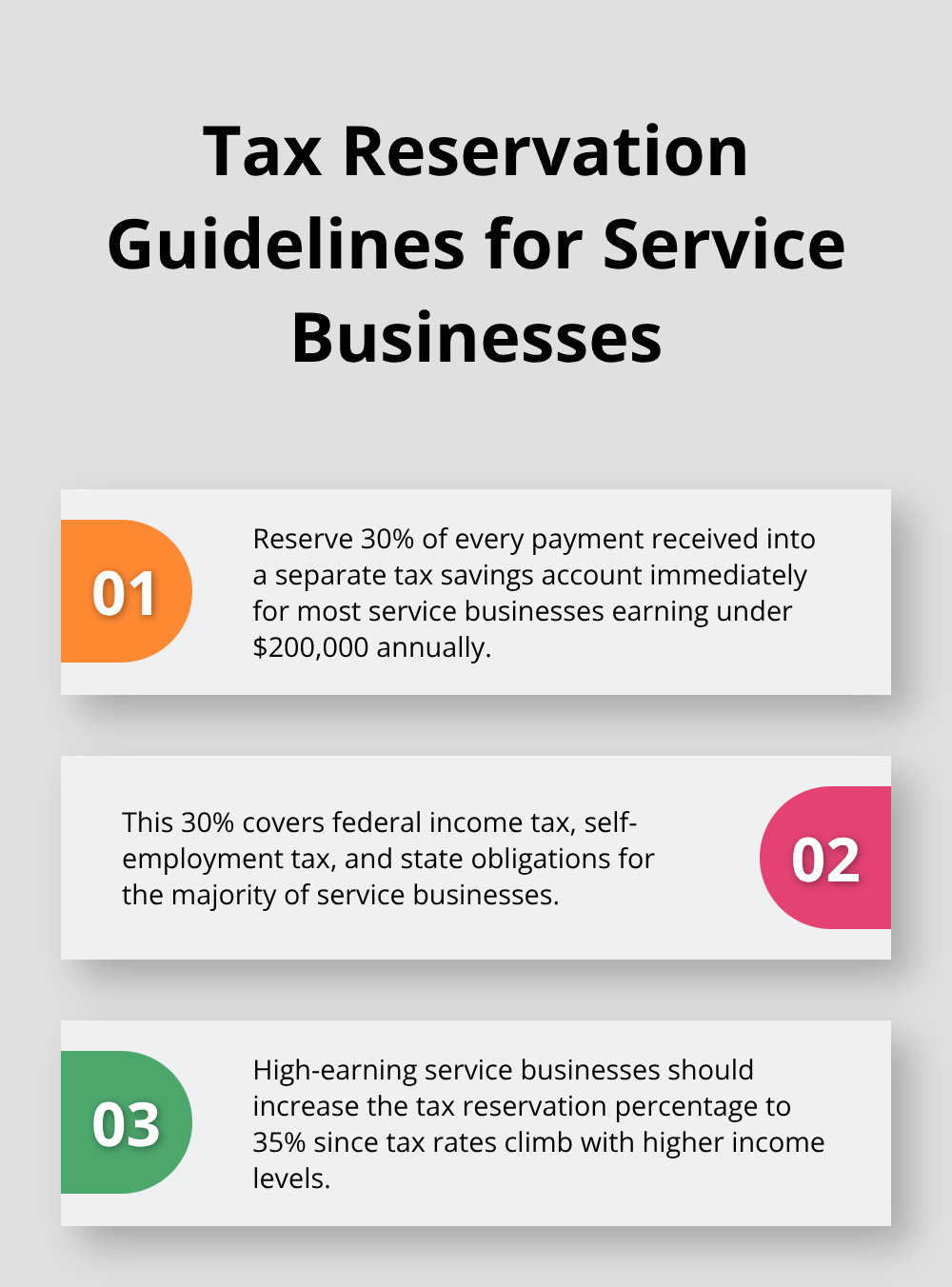
Service business owners who ignore quarterly tax payments face penalties from the IRS. Self-employed service providers must pay both income tax and self-employment tax (which totals 15.3% for Social Security and Medicare alone). Transfer 30% of every payment received into a separate tax savings account immediately.
This percentage covers federal income tax, self-employment tax, and state obligations for most service businesses earning under $200,000 annually. Schedule quarterly estimated tax payments through IRS Form 1040ES to avoid underpayment penalties. High-earning service businesses should increase this percentage to 35% since tax rates climb with income levels.
Final Thoughts
Service business bookkeeping demands consistent daily habits and proper system setup to maintain financial health. Accrual accounting provides better financial visibility than cash accounting for service companies. QuickBooks Online offers the best feature set to track project profitability and billable hours effectively.
Weekly bank reconciliation catches errors before they compound into major problems. You must set aside 30% of revenue for taxes to prevent quarterly payment penalties. Time tracking software captures billable hours that memory-based systems miss, which protects your profit margins.
Professional bookkeeping support eliminates costly mistakes and frees your time for client work. We at Optimum Results Business Solutions provide expert bookkeeping services specifically for small service-based businesses. Start with one improvement this week: separate your business accounts, install time tracking software, or schedule weekly reconciliation sessions (small changes in financial management create significant improvements in cash flow over time).