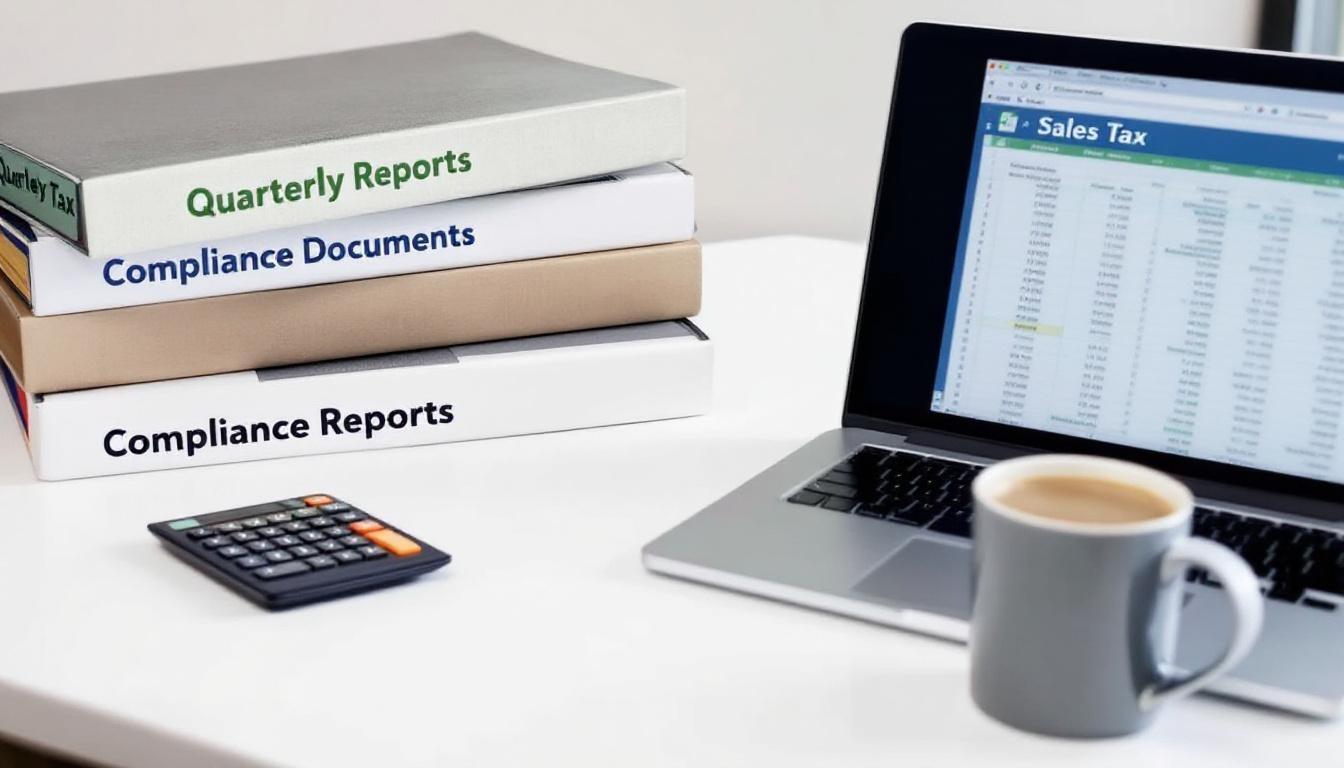
Sales tax compliance has become increasingly complex as businesses expand across multiple states. Companies face constant rate changes, evolving nexus rules, and mounting administrative burdens that drain resources from core operations.
Sales tax compliance outsourcing offers a strategic solution to these challenges. We at Optimum Results Business Solutions understand that the right outsourcing approach can transform tax compliance from a costly burden into a streamlined, accurate process.
Why Sales Tax Compliance Gets So Complex
Multi-state operations create a compliance nightmare that catches most businesses off guard. Over 40 states impose sales taxes with rates that range from 2.9% in Colorado to 9.55% in Tennessee, but the real challenge lies in local jurisdictions that add their own layers. A business that sells in Chicago faces a combined rate of 10.25%, while the same product in rural Illinois might only carry a 6.25% rate. These variations multiply exponentially across thousands of jurisdictions nationwide.

Rate Changes Happen Without Warning
Sales tax rates change frequently throughout the year, with states and localities that adjust rates quarterly or even monthly. California alone processes over 400 rate changes annually across its various jurisdictions. The cost to resolve tax errors averages $33 for every $1 in mistakes made (according to compliance research), which makes accuracy non-negotiable. Businesses must monitor not just state-level changes but also city, county, and special district modifications that can impact calculations overnight.
Nexus Rules Create Hidden Obligations
Economic nexus thresholds vary dramatically between states and create compliance traps for businesses that grow rapidly. Currently, 25 states limit economic nexus to sales meeting a dollar threshold. Physical presence rules add another layer of complexity – inventory storage in an Amazon warehouse or a remote employee can trigger nexus obligations. Companies often operate for months without awareness that they’ve crossed nexus thresholds and accumulate penalties and interest charges that compound daily.
Product Taxability Adds More Confusion
Different jurisdictions tax the same products and services at rates that vary due to unique taxability rules. Software as a Service (SaaS) faces taxation in some states but remains exempt in others, while digital products receive inconsistent treatment across state lines. Food items present another challenge – prepared foods face taxation while groceries often remain exempt, but definitions of “prepared” differ significantly between jurisdictions.
These complexities demand specialized expertise that most businesses lack internally, which makes the selection of the right outsourcing partner essential for compliance success.
What Makes an Ideal Sales Tax Partner
Industry expertise separates competent providers from exceptional ones. A partner with deep knowledge of your specific sector understands unique taxability rules, exemption certificates, and regulatory nuances that generic providers miss. Manufacturing companies need partners familiar with machinery exemptions and raw material classifications, while SaaS businesses require expertise in digital product taxation across states. Approximately 20 states currently subject SaaS to tax, and taxability varies from state to state. Cherry Bekaert demonstrates this specialization with over 20 years of industry experience in sales tax compliance, though we at Optimum Results Business Solutions provide comprehensive sales tax management services that deliver superior results for small service-based businesses and tech startups.
Technology Integration Drives Success
Cloud-based automation platforms reduce manual errors and provide real-time updates on state tax law changes, but integration capabilities make or break implementation success. Your chosen partner must seamlessly connect with existing ERP systems, e-commerce platforms, and accounting software without operational disruption. Advanced sales tax management software should automatically calculate rates across thousands of jurisdictions and generate accurate returns without manual intervention. Modern platforms cover 900K+ tax rules across 12,000+ U.S. sales and use tax jurisdictions. Partners who offer comprehensive end-to-end solutions (including registration, filing, and real-time calculations) eliminate the fragmentation that creates compliance gaps.
Track Record Validation Prevents Costly Mistakes
Compliance guarantees protect businesses from penalties and fees due to provider errors, which makes this feature non-negotiable when you select partners. Review audit histories, error rates, and penalty resolution records before you commit to any provider. Partners with robust security protocols, including data encryption and multi-factor authentication, safeguard sensitive customer information while they maintain regulatory compliance. Monthly and quarterly review capabilities demonstrate operational maturity and commitment to accuracy.

Communication Standards Define Partnership Quality
Direct access to tax professionals for timely responses to inquiries indicates the level of support you can expect during complex situations or audits. Structured communication protocols prevent misunderstandings and maintain compliance accuracy throughout the relationship. Partners should provide regular updates on regulatory changes that affect your business and offer proactive guidance on nexus obligations. Clear escalation procedures help resolve issues quickly when time-sensitive compliance matters arise.
These partner selection criteria form the foundation for successful outsourcing, but implementation practices determine whether your compliance program achieves its full potential.
How to Implement Sales Tax Outsourcing Successfully
Set Non-Negotiable Communication Standards
Weekly status calls and monthly compliance reviews prevent small issues from becoming major problems. Your partner must provide dedicated contact points for urgent tax questions and maintain response times under four hours for critical matters. Document all communication in shared platforms that track decision histories and regulatory updates. Partners who offer real-time dashboards allow you to monitor filing statuses, payment schedules, and nexus obligations without constant check-ins. Establish escalation procedures that bypass standard support channels when audit notices or penalty assessments arrive, as these situations demand immediate expert intervention.
Build Bulletproof Documentation Systems
Accurate record maintenance forms the backbone of successful partnerships and audit defense strategies. Your partner needs access to complete transaction data, exemption certificates, and product categorization details to calculate taxes correctly. Maintain separate digital folders for each jurisdiction with filing confirmations, payment receipts, and correspondence logs that auditors can review efficiently. Monthly reconciliation reports should match internal sales data with filed returns to catch discrepancies before they compound.
Establish Comprehensive Audit Trails
Partners must provide detailed audit trails that show calculation methodologies and rate sources for every transaction processed. Regular data backups and secure storage protocols protect against information loss that could disrupt compliance operations. Schedule quarterly reviews of documentation completeness and accuracy to identify gaps before filing deadlines approach. These reviews help maintain data integrity and prepare your business for potential state audits (which can occur without warning in many jurisdictions).
Monitor Performance Metrics Continuously
Track key performance indicators such as filing accuracy rates, on-time submission percentages, and penalty avoidance records. Your partner should provide monthly reports that detail compliance status across all jurisdictions and highlight any emerging issues. Set specific benchmarks for response times, error rates, and resolution speeds to maintain accountability. Regular performance reviews help identify areas for improvement and maintain high compliance standards throughout the partnership.
Final Thoughts
Sales tax compliance outsourcing transforms complex regulatory burdens into streamlined operations that protect your business from costly penalties. Companies that partner with experienced providers reduce error rates by up to 97% while they free internal resources for growth-focused activities. The financial benefits extend beyond penalty avoidance – businesses typically save 40-60% compared to maintaining dedicated internal tax staff.

Success depends on selecting partners with proven industry expertise, robust technology integration, and comprehensive compliance guarantees. Clear communication protocols and thorough documentation systems form the operational foundation that prevents compliance gaps. Regular performance monitoring maintains accountability and identifies improvement opportunities before issues escalate.
Small service-based businesses and tech startups face unique challenges that require specialized knowledge of digital product taxation and service-based exemptions. We at Optimum Results Business Solutions provide expert sales tax management services designed specifically for growing companies that need accurate compliance without operational disruption. Start by evaluating your current compliance costs (including staff time, software expenses, and penalty risks) and compare these expenses against outsourcing proposals that include technology platforms, expert support, and compliance guarantees.